

RESMAR Project Team Visited Pilot OIZs to Prepare for the Applied Training 19 August 2026
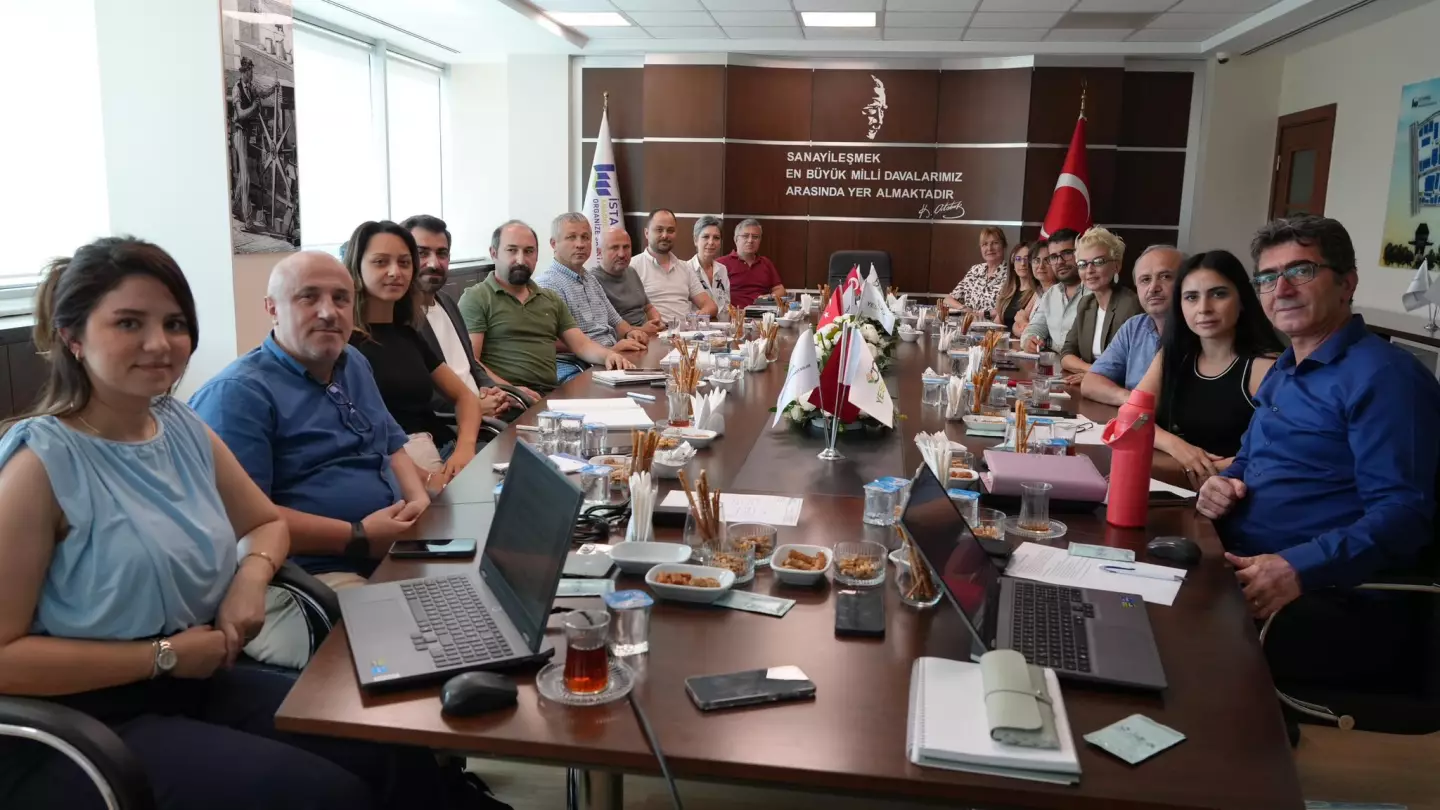
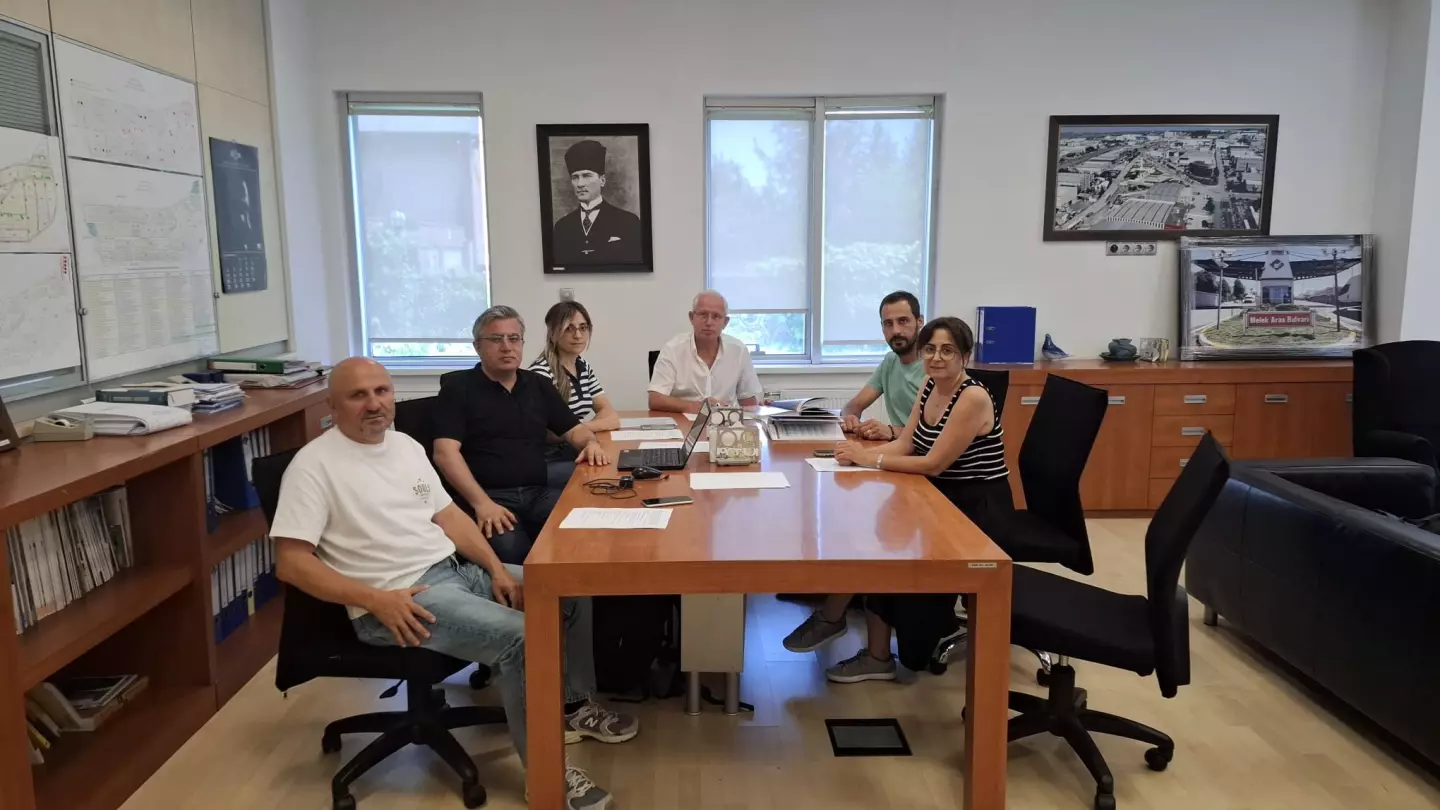
Within the scope of the “Making Industrial Organizations Resilient to Disasters with a Business Continuity Management Approach (RESMAR)” Project, co-financed by the European Union and AFAD, the 7th technical site visit was carried out in İstanbul between July 22 and 24, 2026, in order to prepare the applied training to be delivered at the pilot Organized Industrial Zones. During the visit, the scope of the applied training was defined, the current status of the participating OIZs was assessed, the Business Continuity Plans prepared under the project were reviewed, and the scenarios and exercise design to be used in the training were developed together with the stakeholders.
On the first day, the delegation met at the Tuzla Chemical Industrialists Organized Industrial Zone. The meeting assessed the current status of the business continuity plans, their ownership by the OIZ, and their applicability and sustainability. The use of operational tools contained in the plans — scenarios, priority lists, maps, instructions, forms, action cards and critical contact information — was discussed, together with the approach to be followed in keeping the plans current, updating them and improving them through exercises.
On the second day, the Birlik Organized Industrial Zone was visited. Here the alignment of the plans with the organizational structure, resource capacity and operational reality of the OIZ was evaluated. Critical service priorities, internal and external dependencies, critical personnel, the alternate staffing structure, external suppliers, and IT and communication dependencies were examined in detail.
On the final day, the meeting held at the İstanbul Anatolian Side Organized Industrial Zone addressed the internal ownership structure of the plans and the approach to updating and sustaining them. The suitability of the scenarios contained in the plans — disaster, infrastructure disruption, loss of personnel, IT and communication failure, and disruption of external suppliers - was reviewed, along with the transfer of the plans to the relevant units, training and exercise needs, and the usability of the operational tools.
Throughout the three-day programme, the shared conclusion was that what matters is not the existence of the documents but the demonstration of their applicability and sustainability in the field. Conducting crisis management effectively in the first hours after a disaster, operating the decision-making mechanism rapidly, activating the Crisis Management Team and ensuring the coordination of field teams were identified as priority topics. The need to define critical personnel, vehicles, equipment and operational resources in advance, and to set out duties and responsibilities clearly, was emphasized.
With regard to service continuity, it was assessed that the dependencies between critical services such as electricity, communications, water, information technologies and security should be analysed in detail, and that the effect of a disruption in one service on the others should be reflected in the scenarios. Communication continuity was addressed as a separate heading, and the importance of identifying, testing and validating through exercises the alternative communication methods to be used when the GSM infrastructure fails was underlined.
The meetings also stressed that the business continuity management system must be maintained as a living structure. It was agreed that the plans should be reviewed and revised at regular intervals, that training and applied training records should be kept systematically, that performance indicators should be established, and that corrective actions should be monitored.
At the end of the visit, one of the critical services of each participating Organized Industrial Zone was selected and an applied training scenario based on the continuity of that service was developed for the 8th site visit. The method of the applied training, the distribution of roles and responsibilities, and the coordination mechanisms were thereby clarified.
“Our priority is the Marmara Region, our goal is the whole of Türkiye.”
Project Information
Project Name: Making Industrial Organizations Resilient to Disasters with a Business Continuity Management Approach: Marmara Region Application (RESMAR)
Financing: Co-financed by AFAD and the European Union
Duration: March 2024 – August 2026
Implementation Area: Selected OIZs in the Marmara Region
Objective: To increase the resilience of industrial organizations against disasters, establish business continuity systems, and disseminate good practices.
Contact: resmar.afad.gov.tr | resmar@afad.gov.tr