

RESMAR Project Team Conducted Technical Study Visit to Spain to Examine Disaster Management and Business Continuity Practices 4 May 2026
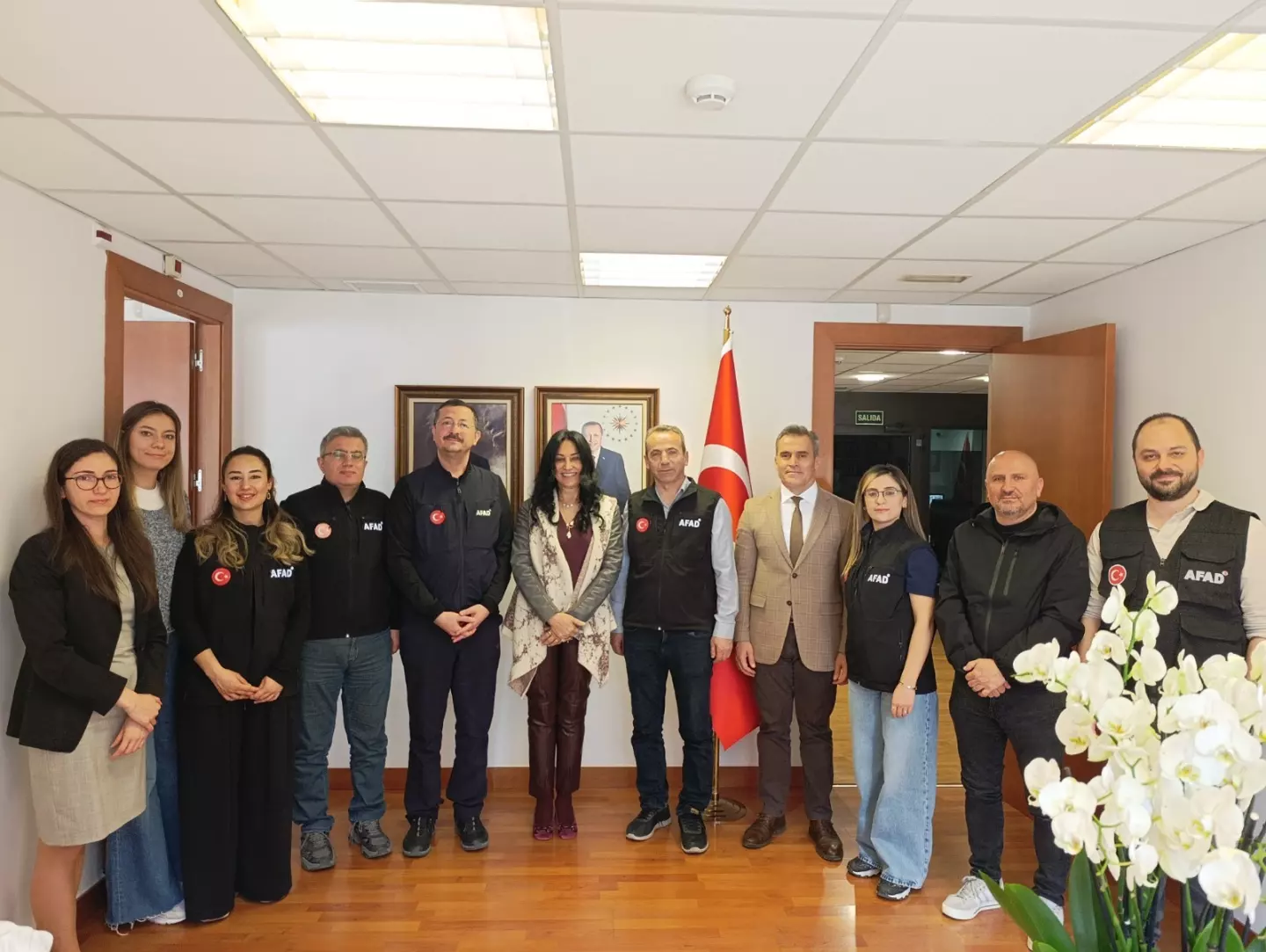
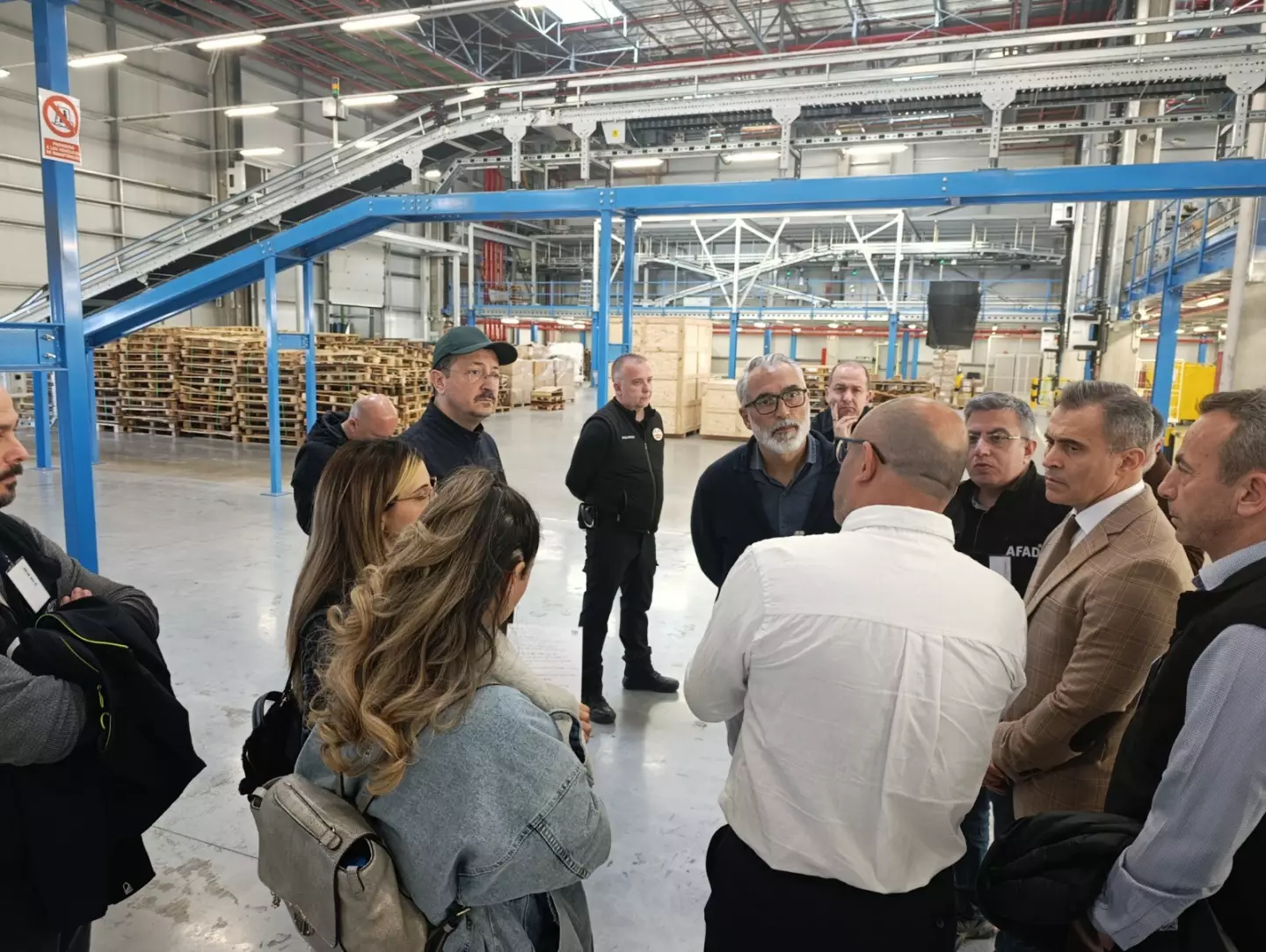
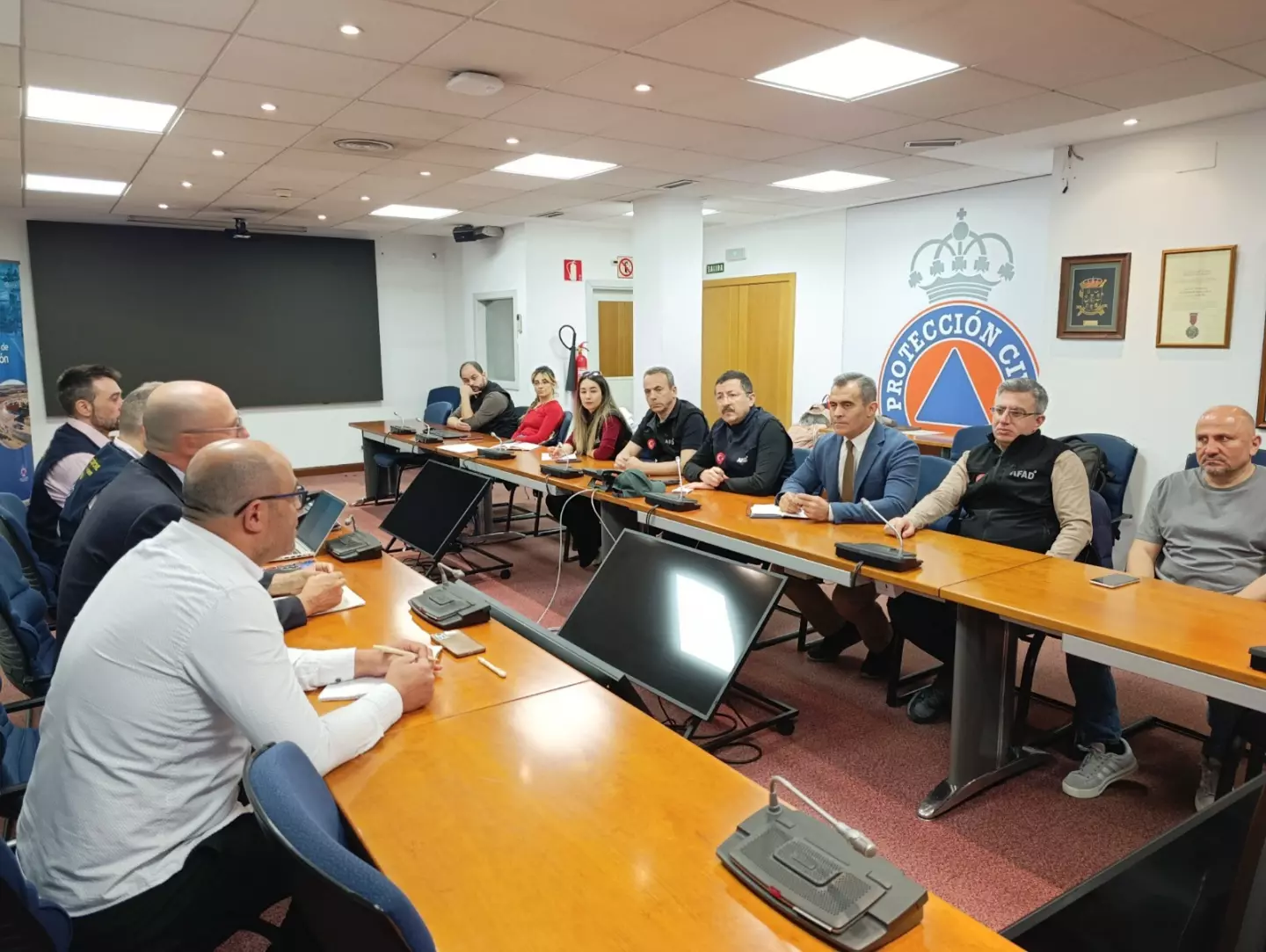
ANKARA (April 2026) – A nine-member AFAD Project Team carried out a technical study visit to Spain between 13 and 17 April 2026 under the RESMAR Project, co-financed by the European Union and AFAD. Over five working days in Madrid and Barcelona, the delegation held technical meetings with nine organisations including military emergency response units, civil protection authorities, private sector companies, and international organisations.
The RESMAR Project (“Making Industrial Organizations Disaster-Resilient by Concept of Business Continuity Management: Marmara Region Implementation”) aims to strengthen the disaster resilience of industrial organisations in Organised Industrial Zones (OIZs) across the Marmara Region through the establishment of business continuity management systems.
In Madrid, the team visited the Military Emergencies Unit (Unidad Militar de Emergencias – UME) of the Spanish Armed Forces to examine the unit’s organisational structure and operational capacity. Both sides exchanged experiences from major disaster response operations, including the search-and-rescue activities following the Kahramanmaraş earthquakes. The delegation also toured the Joint Operations Centre and inspected emergency response vehicles on site.
At Madrid City Council, the team discussed local authorities’ approaches to disaster management and service continuity. The meeting focused on the major power outage that struck the Iberian Peninsula on 28 April 2025, which took up to 23 hours for full restoration. Council officials described the measures taken to maintain hospital, transport, and communications services during the crisis, and the difficulties encountered.
A visit was also made to the Madrid 112 Emergency and Security Agency (ASEM 112), a regional agency under the Madrid Regional Government, to review its organisational structure, civil defence plans, and work under the SEVESO Directive on major industrial accident prevention. The risk management practices for facilities handling hazardous substances were considered relevant for OIZs in the Marmara Region hosting chemical and industrial operations.
On the second day, the delegation toured the logistics and warehouse facilities of Inditex, one of the world’s largest fashion retailers, to examine the company’s business continuity management approach, regular drill practices, and Authorised Economic Operator (AEO) certification processes. The programme continued with a visit to the Embassy of the Republic of Türkiye in Madrid, where the team briefed Ambassador Nüket Küçükel Ezberci on the project’s objectives and progress.
The final meeting in Madrid took place at AENOR, Spain’s leading certification and conformity assessment body, and covered ISO 22301 Business Continuity Management System implementation, certification processes, critical infrastructure regulation, and supply chain certification requirements.
On the third day, the team met with the Directorate General of Civil Protection and Emergencies (DGPCE) to examine Spain’s civil protection system, the distribution of responsibilities across 17 autonomous regions and approximately 3,000 municipalities, and inter-agency coordination mechanisms. The DANA storm in the Valencia region, the 2025 wildfires, and the April 2025 power outage were discussed as case studies.
In Barcelona, the team visited LAFCARR, a technology company specialising in early warning systems and emergency alert engineering. Discussions covered the company’s toxic leak warning systems developed under the SEVESO Directive, dam monitoring platforms, and Building Information Modelling (BIM) and digital twin technologies for infrastructure vulnerability analysis.
On the final day, an online meeting was held with representatives of the ARISE (Alliance for Disaster Resilient Societies) network and the Corporate Chief Resilience Officers (CCRO) network under the United Nations Office for Disaster Risk Reduction (UNDRR). Participants discussed the private sector’s role in disaster risk reduction, the resilience maturity assessment model, and Türkiye’s current legislative framework for business continuity and critical infrastructure planning.
The findings from the visit will feed into the development of business continuity plans, business impact analyses, and risk assessments for OIZs, and the legislative analysis report, which reviews regulatory frameworks across several countries and regions and proposes recommendations for Türkiye. Spain’s multi-tiered civil protection system, with its defined national, regional, and municipal responsibilities, provides a useful reference point for the report’s comparative analyses.
“Our priority is the Marmara Region, our goal is all of Türkiye.”
Contact:
resmar.afad.gov.tr | resmar@afad.gov.tr