

Meeting Held for Public Institutions on "Preparation and Dissemination of Business Continuity Plans" 24 October 2025
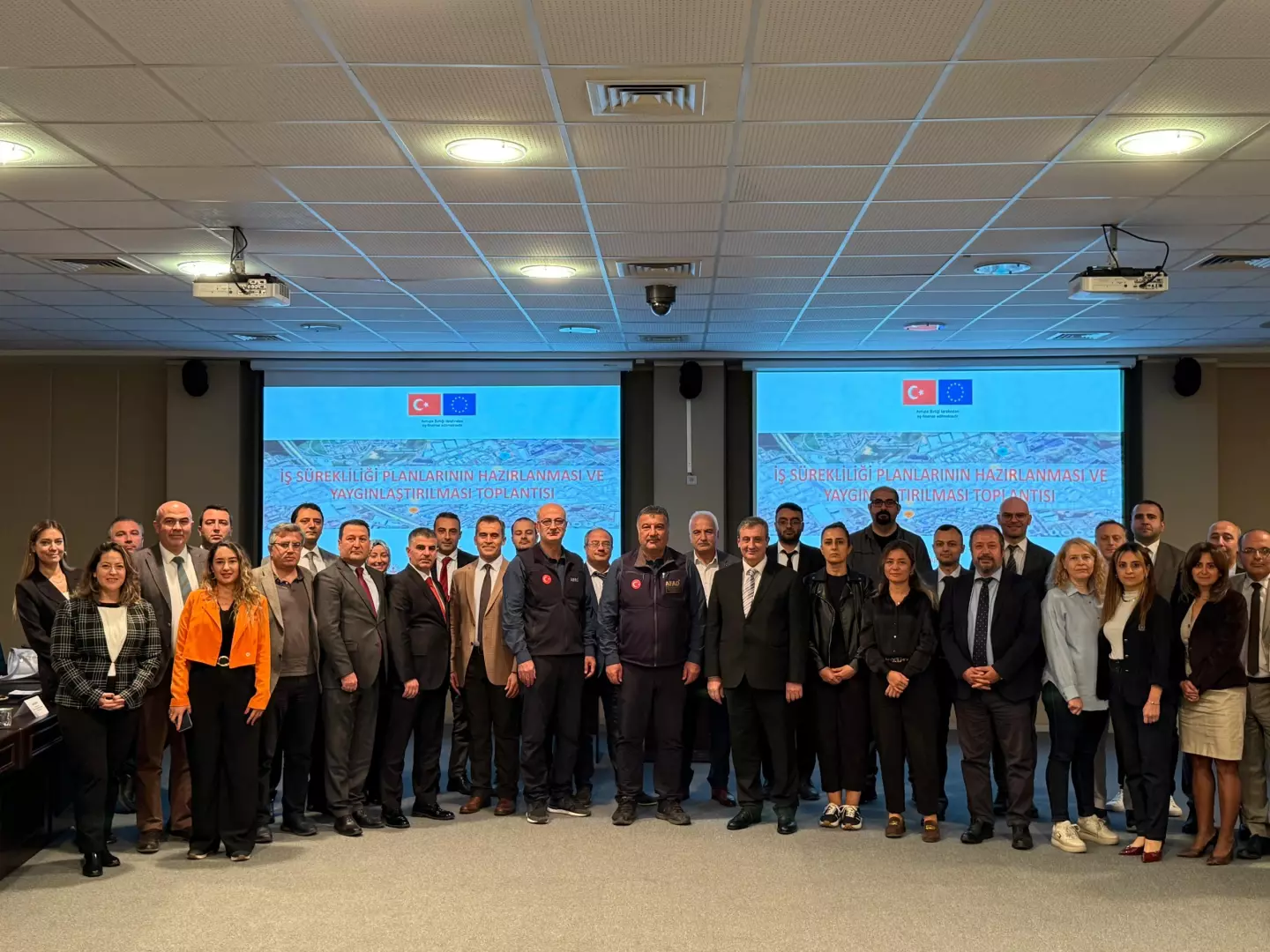
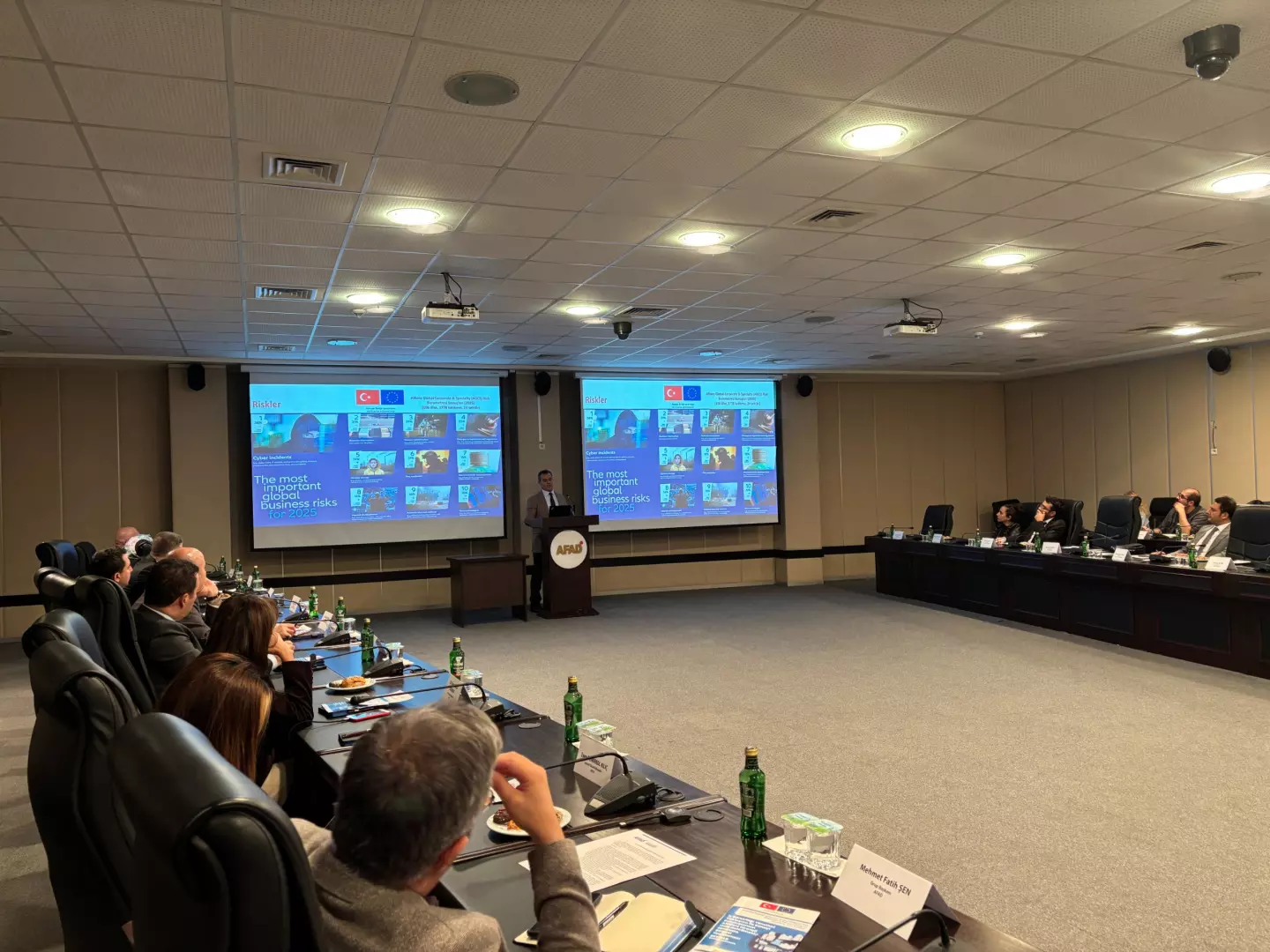
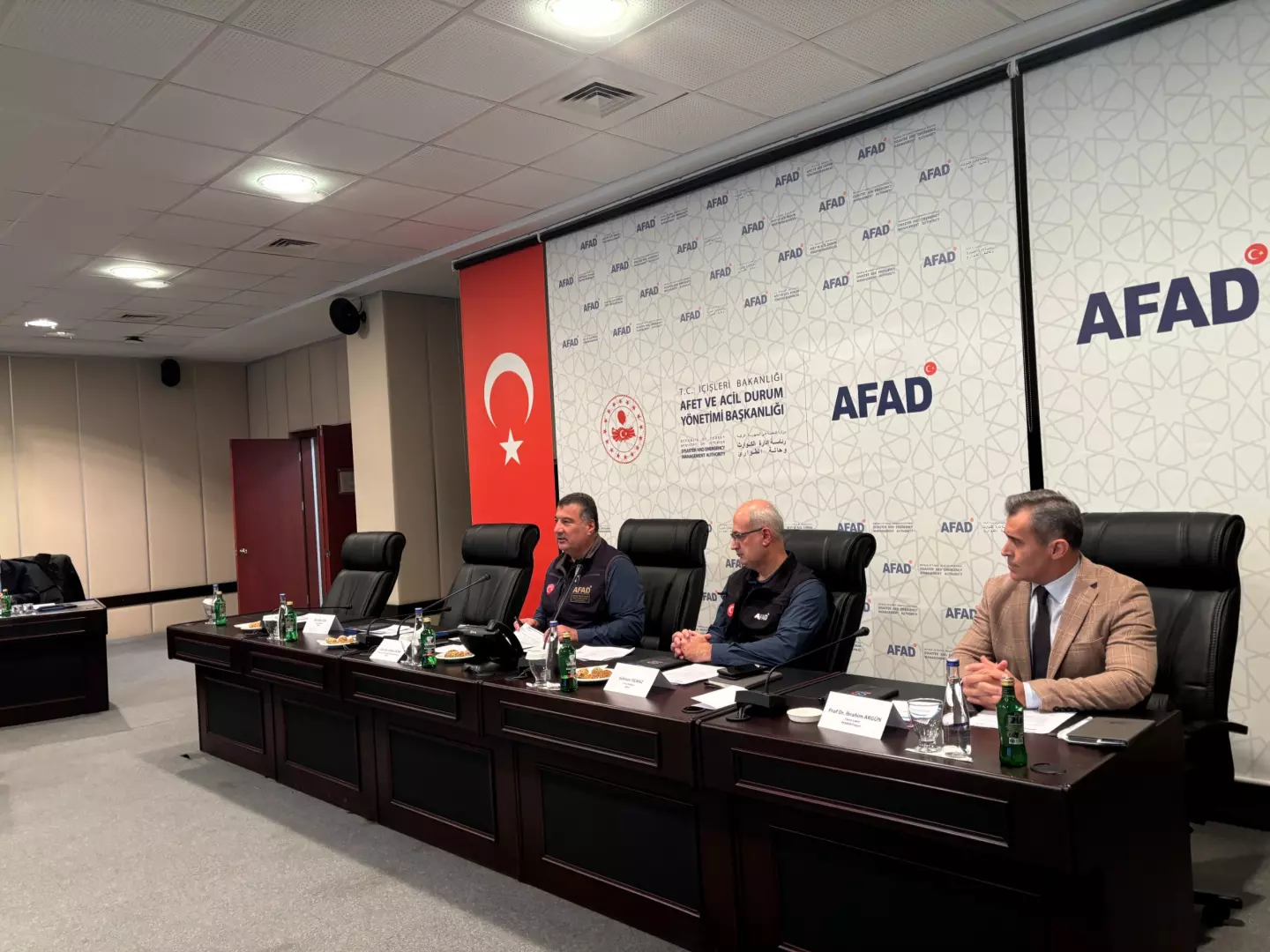
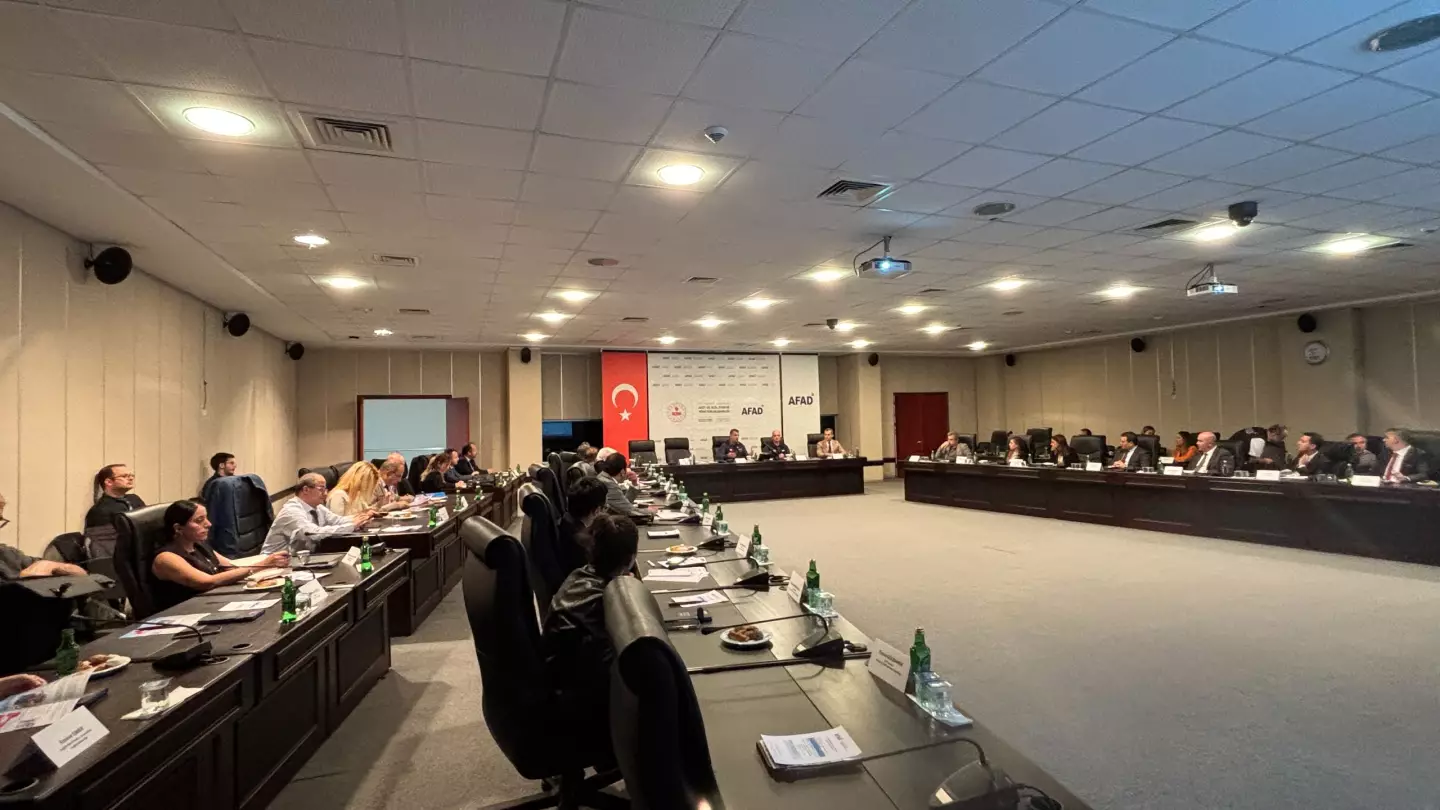
On October 8, 2025, the Disaster and Emergency Management Presidency (AFAD) organized a meeting on "Preparation and Dissemination of Business Continuity Plans." Representatives from the Ministries of Health, Energy and Natural Resources, Transport and Infrastructure, Industry and Technology, and Trade, along with the RESMAR Project Team, participated in the meeting.
AFAD's Emphasis on Business Continuity
AFAD Earthquake and Risk Reduction Director General Prof. Dr. Orhan Tatar, in his speech at the meeting, stated that business continuity plans are one of AFAD's priority work areas. Referring to the work carried out by AFAD on business continuity to date, Tatar emphasized that the disruption of production after disasters leads to both sociological and economic devastation, noting that the February 6 earthquakes contained important lessons in this regard. Tatar stated that risk reduction efforts must be conducted in all areas and that it is important to carry out preparatory work to ensure the continuity of public services and critical infrastructure services following a catastrophic event. Additionally, drawing attention to the importance of inter-institutional coordination and joint planning, Tatar emphasized that each institution must fulfill its responsibilities for the work carried out to be reflected in the field.
"Organizational Resilience Is Now a Strategic Necessity"
At the meeting, RESMAR Project Team Leader Prof. Dr. İbrahim Akgün delivered a presentation titled "Business Continuity Management: National and International Legislation and Practices." In his presentation, Akgün informed participants about national and international risks, the importance of business continuity, organizational resilience, business continuity management systems, and business continuity plans. He stated that business continuity plans must be integrated with plans such as emergency response, supply chain security, and crisis management. He explained how resilience and business continuity issues are addressed in national and international legislation across different countries and sectors, including the public sector. He noted that organizational resilience and business continuity are related not only to disasters but to the capacity of institutions to protect their assets against all events that may cause disruption, emphasizing the importance of adaptation capability and good governance practices.
Emphasizing that business continuity management should be addressed within the framework of the ISO 22301:2019 standard, Akgün stated that enhancing the resilience of industrial establishments, critical infrastructure, and services in Türkiye against disasters and climate change has now become a strategic necessity.
Common Emphasis from Participants: "It Should Become Mandatory"
Participants who spoke during the discussion section of the meeting expressed that business continuity management systems should be made mandatory in all institutions. Representatives of public institutions stated that they are willing to establish a common roadmap for identifying critical infrastructure in their sectors and preparing business continuity plans for these areas.
Marmara Disaster Risk Reduction Department Head Gökhan YILMAZ, referring to the purpose and scope of the meeting, expressed participants' expectations regarding the preparation and dissemination of business continuity plans and emphasized the importance of determining a roadmap for future work.
At the end of the meeting, AFAD Earthquake and Risk Reduction Director General Prof. Dr. Orhan Tatar conveyed his message under three main headings:
- Awareness: Proper understanding of the business continuity concept by public institutions and the private sector.
- Prioritization: Making plans a strategic priority at the national level.
- Joint Planning: Developing institution-specific, sustainable plans with a participatory approach.